Swing check valves and dual plate check valves are the two workhorses of industrial non-return service. Engineers often have to pick between them for the same line. Here is how they compare.
| Factor | Swing check valve | Dual plate check valve |
|---|---|---|
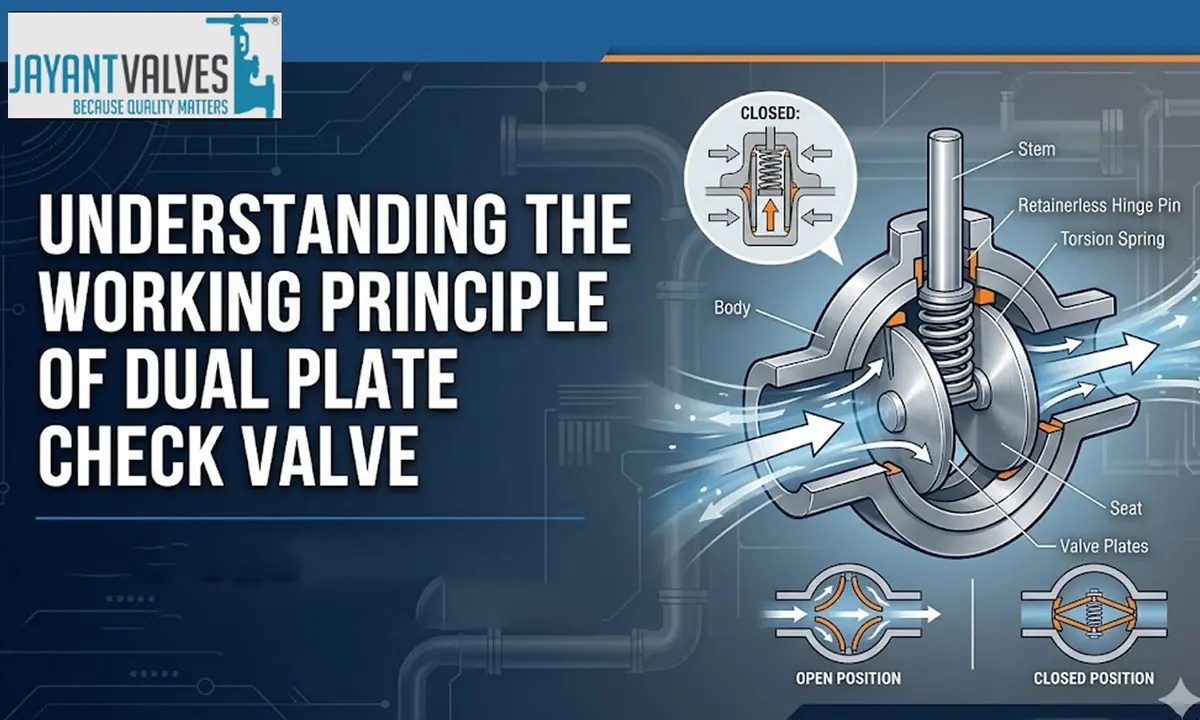
| Closing element | Single hinged disc | Two spring-loaded half plates |
| Pressure drop | Very low, unobstructed bore | Low; optimised with CFD in Jayant's design |
| Closing speed | Slower; can be damped with counterweight or dashpot | Fast, spring-assisted, non-slam |
| Water hammer | Higher risk on rapid flow reversal | Reduced |
| Length & weight | Longer and heavier | Compact wafer, lug or flanged body |
| Typical standards | BS 1868, API 598 | Manufacturer design, API 598 testing |
| Best for | Large bores, clean service, steam and high temperature | Pump discharges, tight spaces, water and LNG |
When a swing check valve wins
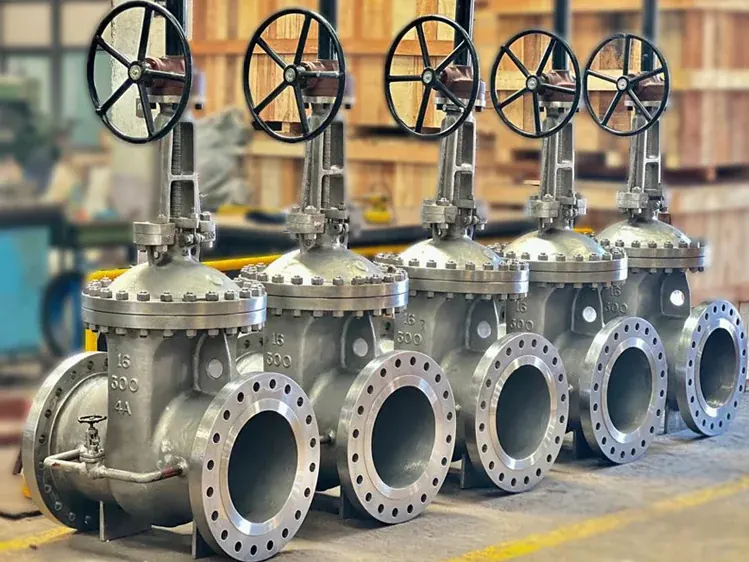
Choose a swing check valve when pressure drop is critical, when the line carries steam or high-temperature fluids, or when the specification calls for BS 1868. For high pressure, a pressure seal swing check is the natural step up.
When a dual plate check valve wins
Choose a dual plate check valve where space and weight are limited, where pump trips could cause water hammer, or on wellhead injection and tank discharge lines.
Still unsure?
Send the line size, class, medium and operating conditions through our enquiry page, and the Jayant team will recommend a design.